What to Expect During a Root CanalThe words "root canal" can make even the bravest patients feel anxious. But here is the truth: a modern root canal is no more uncomfortable than getting a filling, and it relieves the intense pain of an infected tooth. The American Association of Endodontists confirms that modern endodontic treatment …

What to Expect During a Root Canal
The words “root canal” can make even the bravest patients feel anxious. But here is the truth: a modern root canal is no more uncomfortable than getting a filling, and it relieves the intense pain of an infected tooth. The American Association of Endodontists confirms that modern endodontic treatment is virtually painless thanks to advances in anesthesia and technique. At Dr. Chelsea Mason Dental in Bay City, MI, we perform root canal therapy with advanced techniques and gentle care to make the experience as comfortable as possible. Here is exactly what to expect before, during, and after your procedure.
Why You Might Need a Root Canal
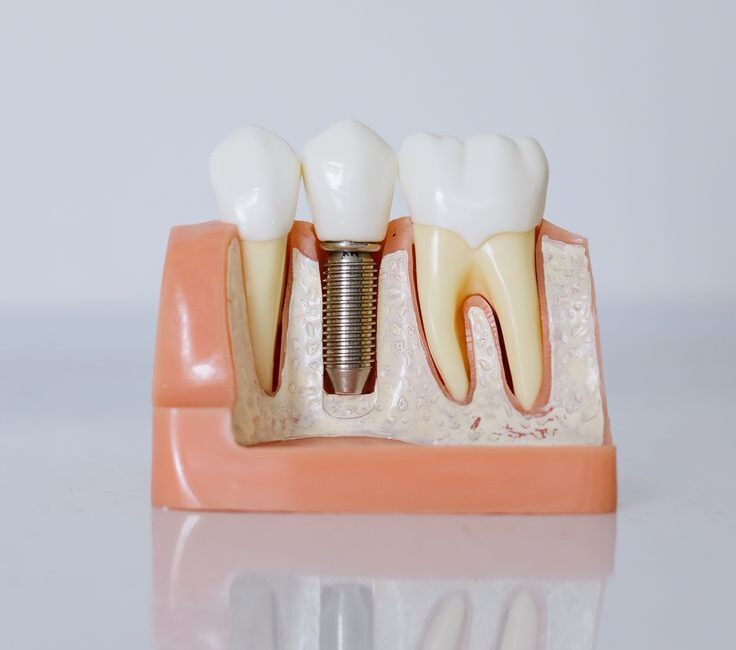
A root canal becomes necessary when the soft tissue inside your tooth, called the pulp, becomes infected or inflamed. The pulp contains nerves, blood vessels, and connective tissue that helped your tooth grow during development. Once the tooth is fully mature, it can survive without the pulp because it continues to receive nourishment from surrounding tissues.
Common causes of pulp infection include deep tooth decay that has reached the inner chamber, a cracked or chipped tooth that allows bacteria to enter, repeated dental procedures on the same tooth, or trauma to the tooth even if there is no visible crack. Symptoms that suggest you may need a root canal include severe toothache pain, especially when chewing or applying pressure, prolonged sensitivity to hot or cold temperatures, darkening or discoloration of the tooth, swelling and tenderness in nearby gums, or a persistent pimple-like bump on the gums near the affected tooth.
Before the Procedure
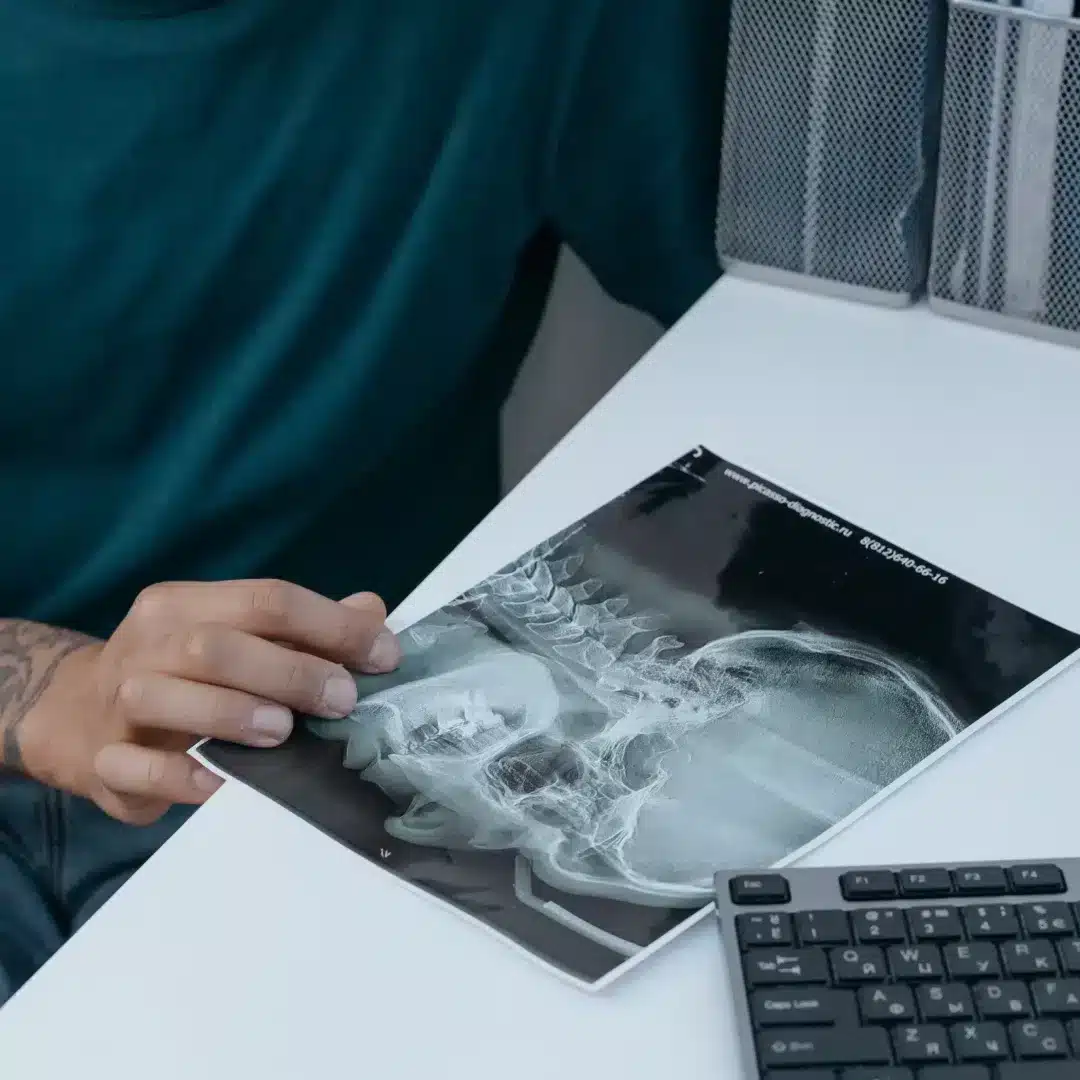
Your root canal treatment begins with a thorough examination. Dr. Mason will take digital X-rays to see the shape of the root canals and determine the extent of the infection. She will explain exactly what the procedure involves and answer any questions you have.
If you experience dental anxiety, we offer sedation dentistry options to help you feel relaxed and comfortable throughout the procedure. Many patients are surprised to find that once they understand what is happening, their anxiety decreases significantly.
During the Root Canal: Step by Step
Step 1: Numbing the area. Dr. Mason will apply a topical numbing gel to your gum, followed by a local anesthetic injection to completely numb the tooth and surrounding area. You should feel no pain during the procedure, only some pressure and vibration.
Step 2: Placing the dental dam. A small rubber sheet called a dental dam is placed around the tooth to keep it dry and free from saliva during the procedure. This also prevents any debris from entering your throat.
Step 3: Accessing the pulp chamber. Dr. Mason creates a small opening in the top of the tooth (for a back tooth) or the back of the tooth (for a front tooth) to access the infected pulp inside.
Step 4: Removing the infected pulp. Using specialized instruments called files, the infected or damaged pulp tissue is carefully removed from the pulp chamber and root canals. The canals are then shaped to prepare them for filling.
Step 5: Cleaning and disinfecting. The empty canals are thoroughly irrigated with antimicrobial solutions to eliminate any remaining bacteria and prevent reinfection. This step is critical to the long-term success of the treatment.
Step 6: Filling the canals. Once cleaned and dried, the canals are filled with a biocompatible rubber-like material called gutta-percha, a technique validated by clinical research published in the Journal of Clinical Medicine. This material seals the canals and prevents bacteria from re-entering.
Step 7: Temporary filling. A temporary filling is placed to close the opening in the tooth. In most cases, you will return for a permanent crown to protect and strengthen the treated tooth.
The entire procedure typically takes 60 to 90 minutes for a single-rooted tooth and may take slightly longer for molars with multiple roots.
After the Root Canal: Recovery
Most patients are pleasantly surprised by how smooth the recovery is. The numbness from the anesthetic wears off within a few hours. You may experience some mild soreness or sensitivity for a few days, which is completely normal and easily managed with over-the-counter pain relievers like ibuprofen.
For the first few days after your root canal, avoid chewing on the treated side until your permanent crown is placed. Stick to softer foods and avoid anything extremely hot or cold. Continue brushing and flossing normally, being gentle around the treated area.
Most patients return to normal activities the same day or the next day. If you received sedation, you will need someone to drive you home and should rest for the remainder of the day.
Getting Your Permanent Crown
Within a few weeks of your root canal, you will return to Dr. Chelsea Mason Dental to have a permanent crown placed on the treated tooth. The crown restores the tooth to its full strength and function, and it is custom-designed to match your other teeth perfectly. With a properly placed crown, a root canal treated tooth can last a lifetime. Learn more about our crowns and bridges options.
Common Myths About Root Canals
Myth: Root canals are extremely painful
This is the biggest misconception. With modern anesthetics and techniques, a root canal feels similar to getting a filling. The procedure actually relieves the severe pain caused by the infection. Most patients say the worst part was the toothache that brought them in, not the treatment itself.
Myth: It is better to pull the tooth than get a root canal
Saving your natural tooth is almost always the better option. Extracting a tooth leads to bone loss, shifting of adjacent teeth, and the need for a replacement like an implant or bridge, which costs more and requires additional procedures. A root canal preserves your natural tooth and is the more conservative approach.
Myth: Root canals cause illness
This myth comes from debunked research from nearly a century ago. Modern science has thoroughly disproven any connection between root canal treatment and systemic disease. Root canals are safe, effective, and backed by decades of successful outcomes. A long-term retrospective study found root canal survival rates of 97% at 10 years and 81% at 20 years.
Frequently Asked Questions
How long does a root canal take?
Most root canals take 60 to 90 minutes in a single appointment. Molars with multiple roots may take slightly longer. In some cases, complex infections may require two visits to complete.
How much does a root canal cost in Bay City, MI?
The cost varies depending on which tooth is affected and the complexity of the case. Front teeth are generally less expensive than molars. Most dental insurance plans cover a significant portion of root canal treatment. Our team will provide a detailed estimate and help you understand your insurance benefits before treatment begins.
Can I drive home after a root canal?
If you only received local anesthesia (numbing), yes, you can drive yourself home. If you opted for sedation dentistry, you will need a ride home.
What happens if I do not get a root canal when I need one?
An untreated tooth infection will not go away on its own. It will continue to spread, potentially leading to an abscess, bone loss, and even systemic infection that can affect your overall health. In severe cases, the tooth will need to be extracted. Early treatment gives you the best chance of saving the tooth.
How successful are root canals?
Root canal therapy has a success rate of over 95 percent. With a proper crown and good oral hygiene, a root canal treated tooth can last the rest of your life.
Need a Root Canal in Bay City, MI?
If you are experiencing tooth pain and think you may need a root canal, do not wait. The sooner the infection is treated, the better the outcome. Dr. Chelsea Mason and her team provide gentle, expert root canal therapy for patients in Bay City, Saginaw, Midland, Essexville, and the surrounding Great Lakes Bay Region. Contact us today or call (989) 686-6110 to schedule your appointment. For urgent concerns (existing patients), visit our emergency care page.
Related Articles You May Enjoy
Our Related Services
Proudly Serving Communities Near Bay City
Dr. Chelsea Mason Dental provides comprehensive dental care to patients throughout the Great Lakes Bay Region:
Book a Consultation
It’s easy and free!