How Long Do Dental Implants Last?Dental implants are one of the most durable and long-lasting solutions for replacing missing teeth. With proper care and maintenance, dental implants can last 25 years or more — and many patients keep their implants for a lifetime. At Dr. Chelsea Mason Dental in Bay City, MI, we use premium …

How Long Do Dental Implants Last?
Dental implants are one of the most durable and long-lasting solutions for replacing missing teeth. With proper care and maintenance, dental implants can last 25 years or more — and many patients keep their implants for a lifetime. At Dr. Chelsea Mason Dental in Bay City, MI, we use premium titanium implants and advanced placement techniques to give every patient the best possible outcome.
But how long your dental implants actually last depends on several factors, from your oral hygiene habits to the location of the implant in your mouth. In this guide, we will break down everything you need to know about dental implant longevity so you can make an informed decision about your smile.
What Are Dental Implants Made Of?
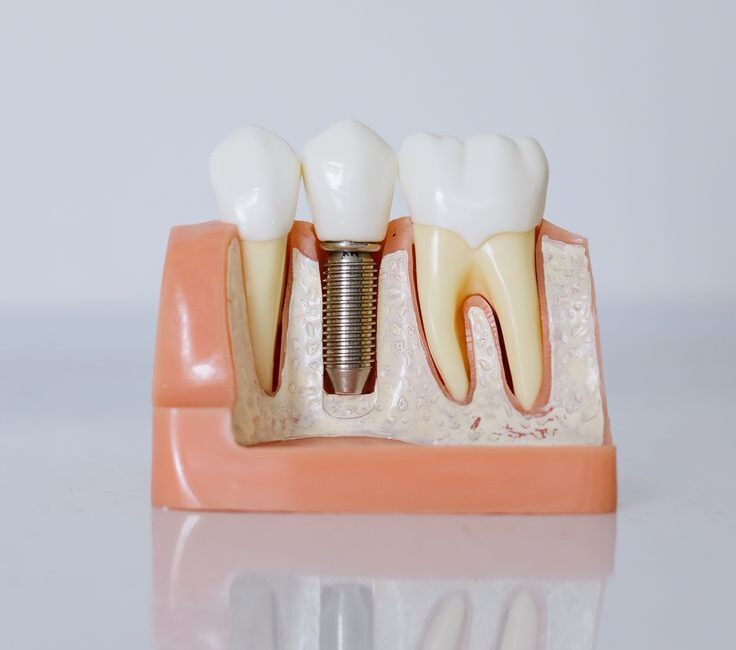
Understanding what goes into a dental implant helps explain why they last so long. A dental implant has three main components:
The implant post is a small titanium screw that is surgically placed into your jawbone. Titanium is biocompatible, meaning your body accepts it naturally. Over the course of 3 to 6 months, the bone fuses around the post in a process called osseointegration, creating an incredibly strong foundation that essentially becomes part of your jaw. The American Dental Association recognizes dental implants as a safe, effective, and well-established treatment for missing teeth.
The abutment is a connector piece that sits on top of the implant post and holds the crown in place. Abutments are typically made from titanium or zirconia and are designed to withstand years of biting force.
The crown is the visible, tooth-shaped part of the implant. Crowns are usually made from porcelain or ceramic and are custom-designed to match the color, shape, and size of your natural teeth.
Average Lifespan of Each Component
Not every part of the implant wears at the same rate. The titanium post itself is the most durable component. Because it fuses directly with bone, the post can last a lifetime with proper care. According to a comprehensive meta-analysis published in Clinical Oral Investigations, implant post success rates exceed 95% at the 10-year mark and remain above 90% at 20 years.
The abutment is similarly durable and rarely needs replacement unless it becomes damaged from trauma or extreme grinding habits.
The crown is the component most likely to need replacement over time. Dental crowns on implants typically last 10 to 15 years before normal wear and tear may require a new one. However, with excellent care, many crowns last 20 years or longer. Replacing a crown is a straightforward procedure that does not require any surgery — your existing implant post and abutment stay in place.
Factors That Affect How Long Dental Implants Last
Oral hygiene is the single biggest factor in implant longevity. Just like natural teeth, implants require daily brushing, flossing, and regular dental cleanings. Poor hygiene can lead to peri-implantitis, an infection of the tissue around the implant that can cause bone loss and implant failure if left untreated.
Smoking and tobacco use significantly reduce implant success rates. Smoking restricts blood flow to the gums and bone, slowing healing after placement and increasing the risk of infection. Research published in the Journal of Clinical Medicine shows smokers have implant failure rates nearly twice as high as non-smokers.
Location in the mouth matters too. Implants in the back of the mouth (molars) endure greater chewing forces than front teeth, which can affect crown longevity. However, the implant post itself is equally durable in any position.
Teeth grinding (bruxism) places excessive force on implants and can cause crowns to crack or wear prematurely. If you grind your teeth, Dr. Mason may recommend a custom night guard to protect your investment.
Overall health conditions like uncontrolled diabetes, autoimmune disorders, or osteoporosis can affect bone density and healing, potentially impacting implant integration and longevity.
The skill of your implant dentist plays a critical role. Proper placement angle, depth, and bone assessment during the initial procedure directly affect long-term success. At Dr. Chelsea Mason Dental, we use advanced 3D imaging and careful treatment planning to ensure optimal placement for every patient.
How to Make Your Dental Implants Last Longer
The good news is that most of the factors affecting implant longevity are within your control. Brush twice daily with a soft-bristled toothbrush, paying special attention to the gum line around your implant. Floss daily — water flossers work especially well around implants. Visit your dentist every six months for professional cleanings and checkups so any issues can be caught early.
Avoid chewing on hard objects like ice, hard candy, or pen caps, as these can crack the crown. If you play contact sports, wear a mouthguard. And if you grind your teeth at night, talk to Dr. Mason about a night guard.
Quitting smoking is one of the most impactful things you can do for your implant health and your overall health. Patients who do not smoke and maintain good oral hygiene routinely keep their implants for 25 years or more.
Dental Implants vs. Other Tooth Replacement Options
When comparing longevity, dental implants far outlast other tooth replacement options. Traditional dental bridges typically last 7 to 15 years and require grinding down healthy adjacent teeth for support. Partial dentures last 5 to 8 years on average and can accelerate bone loss in the jaw. Full dentures need relining every few years and replacement every 5 to 10 years.
While dental implants have a higher upfront cost, their longevity often makes them the most cost-effective option over a lifetime. A single implant that lasts 25+ years can cost less in the long run than multiple bridge or denture replacements. Learn more about your options on our dental implants service page.
Signs Your Dental Implant May Need Attention
While implant failure is uncommon, it is important to recognize warning signs early. Contact your dentist if you notice any looseness or movement in the implant, persistent pain or discomfort around the implant site, swelling, redness, or bleeding of the gums around the implant, difficulty chewing or a change in how your bite feels, or the crown appears cracked, chipped, or discolored.
Early intervention can often save an implant that might otherwise fail. At Dr. Chelsea Mason Dental, we monitor your implants at every checkup to ensure they remain healthy and secure.
Frequently Asked Questions About Dental Implant Longevity
Can dental implants last forever?
The titanium implant post can potentially last a lifetime with proper care. The crown on top typically needs replacement every 10 to 15 years due to normal wear, though many last much longer. The key is maintaining excellent oral hygiene and attending regular dental checkups.
What is the failure rate of dental implants?
Dental implants have a success rate of approximately 95 to 98 percent over 10 years, according to a long-term cohort study of over 10,000 implants, making them one of the most reliable procedures in dentistry. Most failures occur within the first year, often related to smoking, poor hygiene, or underlying health conditions that affect healing.
Do dental implants require special care?
Dental implants do not require dramatically different care than natural teeth. Brush twice daily, floss daily (water flossers are excellent for implants), and visit your dentist every six months. The main difference is being mindful about avoiding excessive force on the implant crown.
How much do dental implants cost in Bay City, MI?
The cost of dental implants varies depending on the number of implants needed, whether bone grafting is required, and the type of restoration placed on top. At Dr. Chelsea Mason Dental, we offer transparent pricing and flexible payment options to make implants accessible. Contact us for a personalized consultation and estimate.
Are dental implants worth the investment?
For most patients, dental implants are the best long-term investment for replacing missing teeth. They preserve jawbone health, do not damage adjacent teeth, look and feel completely natural, and can last decades. When you factor in the cost of repeatedly replacing bridges or dentures over a lifetime, implants often prove to be the most economical choice.
Schedule Your Dental Implant Consultation in Bay City, MI
If you are considering dental implants and want to learn whether they are right for you, Dr. Chelsea Mason and her team are here to help. We serve patients throughout Bay City, Saginaw, Midland, Essexville, and the entire Great Lakes Bay Region. Schedule your consultation today or call us at (989) 686-6110.
Related Articles You May Enjoy
Our Related Services
Proudly Serving Communities Near Bay City
Dr. Chelsea Mason Dental provides comprehensive dental care to patients throughout the Great Lakes Bay Region:
Book a Consultation
It’s easy and free!