Invisalign

About Invisalign

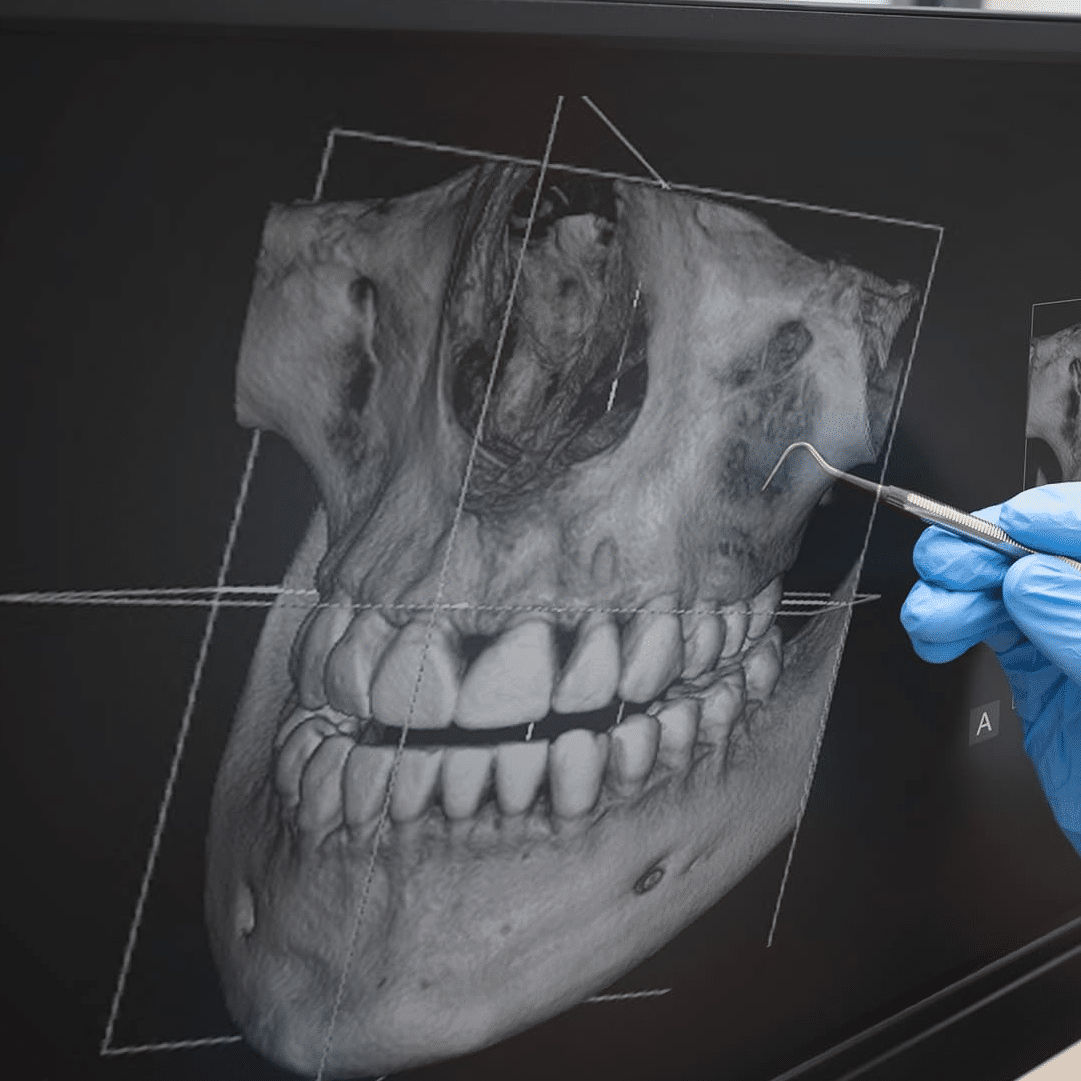
Dr. Chelsea Mason is a family and cosmetic dentist serving Bay City and the Great Lakes Bay Region. She and her team focus on comfortable, personalized care using modern technology like digital scanning and advanced imaging, so your Invisalign treatment is precise and efficient.

At our Bay City office, you’ll find:

  • A welcoming, family-friendly environment
  • State-of-the-art equipment for accurate Invisalign planning
  • A team that takes time to listen to your goals and concerns
  • Convenient location for patients across Bay City, Saginaw Valley, and surrounding communities

What Is Invisalign?

Invisalign is an orthodontic system that uses a series of custom-made, clear plastic aligners to gradually move your teeth. Instead of brackets and wires, you wear smooth, removable trays that fit snugly over your teeth. You switch to a new set of aligners every 1–2 weeks as your smile gently shifts.

Invisalign can improve:

  • Crooked or crowded teeth
  • Gaps and spaces
  • Overbite, underbite, and crossbite (mild to moderate cases)
  • Relapse after past orthodontic treatment

Benefits of Invisalign for Bay City Patients

Choosing Invisalign with Dr. Mason offers several advantages:

  • Almost invisible: Most people won’t notice you’re wearing aligners. If they do notice, they will congratulate you!
  • Removable: Take them out to eat, drink anything but water, and brush or floss.
  • Comfortable: No metal brackets or wires to irritate cheeks and lips.
  • Easier hygiene: Brush and floss normally to keep your teeth and gums healthy during treatment.
  • Fits your lifestyle: Great for professionals, college students, busy parents, and teens who want a subtle orthodontic option.

How Invisalign Treatment Works at Dr. Chelsea Mason Dental

1. Invisalign Consultation

Your Invisalign journey starts with a comprehensive exam with Dr. Mason at our Bay City dental office. She’ll discuss your goals, evaluate your bite, and determine whether Invisalign is right for you.

2. Digital Scans & Customized Plan

If you’re a good candidate, we’ll take digital impressions and photos—no goopy molds. These scans are used to design a precise 3D treatment plan that shows how your teeth can move over time.

3. Your Aligners Are Made

Invisalign fabricates a series of custom aligners based on Dr. Mason’s plan. Each set is slightly different and designed to move specific teeth little by little.

4. Wearing Your Aligners

You’ll:

  • Wear your Invisalign aligners 20–22 hours per day

  • Switch to the next set of trays about every 1–2 weeks (as directed)

  • Visit Dr. Mason for quick progress checks every few weeks

Most patients start seeing visible changes within a few months, with total treatment time often ranging from 6–18 months, depending on the case.

5. Maintaining Your New Smile

After Invisalign, you’ll wear retainers to help keep your teeth in their new position, protecting your investment and your new smile.

Frequently Asked Questions

Invisalign fees vary based on how complex your case is and how long treatment will take. During your consultation, we’ll review your specific needs, go over all costs, and help you understand any dental insurance benefits that may apply. We can also discuss payment options and flexible financing if available.

Many mild to moderate cases can be completed in about 6–18 months, but treatment time is unique to each patient. Wearing your aligners as directed (20–22 hours per day) and keeping up with your appointments helps keep your treatment on schedule.

Most patients describe Invisalign as gentle pressure rather than pain. You may feel some tightness or tenderness for a few days when you switch to a new set of aligners. This is normal and a sign your teeth are moving. Over-the-counter pain relievers and switching to new trays at night can make the transition easier.

It can take a day or two to get used to your aligners. Some patients notice a slight lisp at first, but this usually goes away quickly as your tongue adapts. The more you talk with your aligners in, the faster it improves.

You should remove your aligners anytime you eat or drink anything besides water. Chewing with them in can damage or stain the trays. After meals, brush or rinse your teeth before putting your aligners back in to keep them clear and fresh.

Rinse them with lukewarm water (never hot), gently brush them with a soft toothbrush, and use clear, non-abrasive soap or Invisalign cleaning crystals if recommended. Avoid using toothpaste on the trays, as it can scratch the plastic.

As long as your teeth and gums are healthy, it’s rarely “too late” to straighten your smile. Many Invisalign patients are adults who want a more confident smile for their careers, relationships, and everyday life.

Yes. Regular checkups with Dr. Mason help keep your teeth and gums healthy during treatment. Clean, healthy teeth respond better to Invisalign and make it easier to maintain your results long-term.

Teeth always have a natural tendency to drift, no matter what type of orthodontic treatment you’ve had. That’s why retainers are non-negotiable. Wearing your retainers as instructed (usually at night) helps keep your teeth in their new position and protects your investment.

Invisalign can create long-lasting changes, but your results are only as “permanent” as your retainer routine. If you wear your retainers consistently and keep your gums and bone healthy with regular dental care, your straight smile should stay stable for many years.

Yes. Every Invisalign case ends with a retention phase. After your active treatment is finished, Dr. Mason will fit you for retainers and explain exactly how often to wear them. Some patients benefit from a combination of nighttime removable retainers and a thin, fixed retainer behind the teeth for extra stability.

It’s best to take your aligners out before drinking coffee, tea, red wine, or any other pigmented or hot beverages. These drinks can stain the plastic or affect the fit. Enjoy your drink, rinse or brush afterward when possible, then pop your trays back in.

No. Invisalign does not weaken healthy teeth. A small amount of temporary looseness or mobility during treatment is normal with any orthodontic movement. Keeping up with good home care and regular checkups with Dr. Mason will help your teeth and gums stay healthy while your bite is being corrected.

Invisalign is designed to change the position of your teeth and the way they fit together, not to alter your basic facial structure. Some patients feel their smile looks more balanced or youthful after treatment, but your overall face shape should remain the same.

The first week is an adjustment period. You may notice:

  • Gentle pressure or tenderness as your teeth start to move

  • A bit of extra saliva or a slight lisp while your tongue adapts

  • A new routine of removing trays before eating and cleaning your teeth more often

Most patients find that these changes settle down quickly as wearing aligners becomes part of their normal day.

Most people only need one full Invisalign treatment. However, if your teeth shift again in the future, for example, if retainers weren’t worn, a touch-up Invisalign plan can often be created to get things back on track. Dr. Mason can evaluate your smile and let you know what level of retreatment, if any, is needed.

Ideally, yes. Food and plaque trapped against your teeth under the aligners can increase the risk of cavities and staining. Brushing and flossing before you put your trays back in keeps your teeth cleaner, your aligners clearer, and your breath fresher. When you can’t brush, at least rinse thoroughly with water and brush as soon as you’re able.

Absolutely. You’ll wear your trays day and night, removing them only for meals, drinks (other than water), and cleaning. Wearing your aligners while you sleep is essential to keep your teeth moving according to plan and to avoid delays in your treatment.

Book a Consultation:

Our Specialists